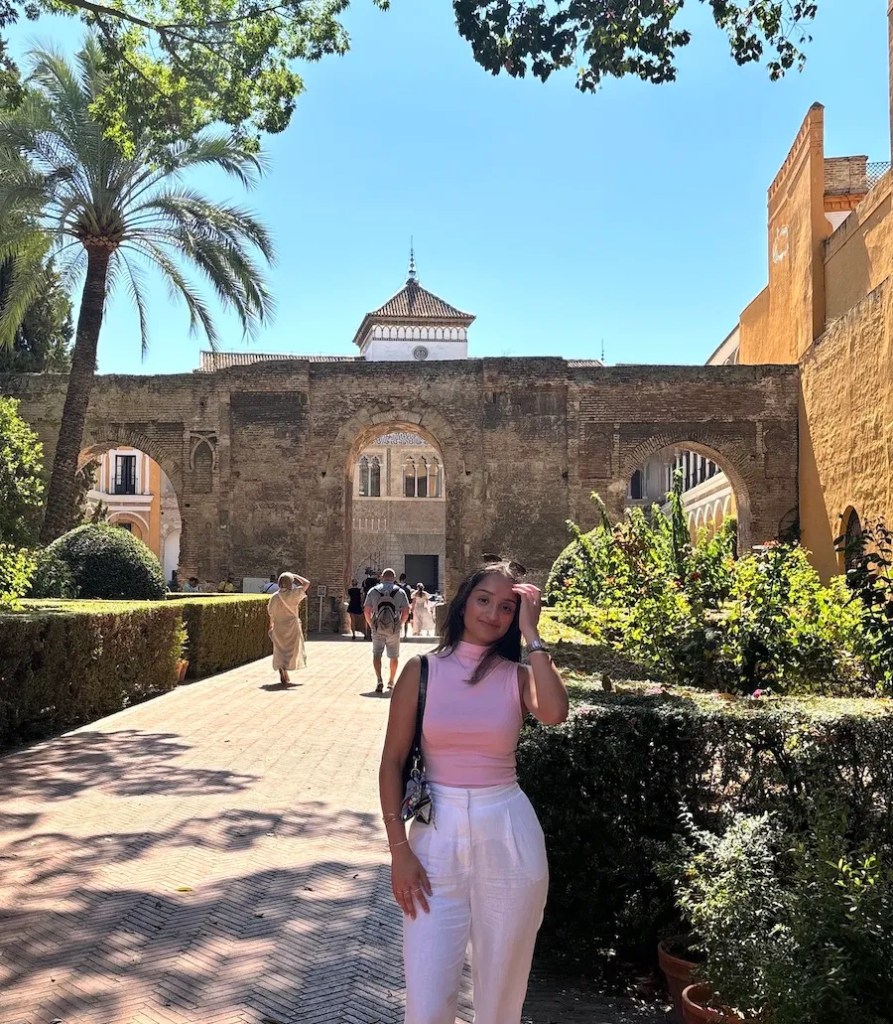
When I interviewed for medical school during my gap year, I was often asked what I was doing before matriculation. While my peers were conducting research or working as scribes, I studied art history and the intersection of art and medicine—visiting museums and meeting artists across Europe and New York City. While uncommon, this gap year was instrumental in my journey to medical school. It taught me a great deal about myself and shifted my perspective as a student and artist.
Like most pre-med students, I originally planned to go straight into medical school. But the reality was overwhelming: maintaining my academic record, gaining clinical and research experience, volunteering, MCAT preparation, and then the application cycle full of essays and more preparation. Trying to cram all that into three undergraduate years felt unsustainable.
I decided it was time for a break—not just from school but also from the narrow tunnel I had been racing through. It made no sense to me to purposely speed up the application process and potentially have to repeat it all next year.
At first, I applied to the NIH postbac program, hoping to continue my research interests in a new setting. But I also knew I wanted to travel — I had never been to Europe and dreamed of reconnecting with my artistic/creative side. Around that time, I stumbled upon the Take Five Scholars Program at my university — a tuition-free fifth year to explore a topic outside your major. On a whim, I applied to study art history. To my surprise, I was accepted.
That summer, while wrapping up my primary and secondary applications, I prepared to move to Barcelona. I felt a mix of excitement and unease. Even after landing, it took a week to fully grasp that I was living in Spain! Despite being an immigrant and no stranger to change, I felt homesick for the first time. Everything was new—country, language, routines, even my social circle. It was all extremely different from the little undergrad bubble I had been in for the last four years.
But over time, discomfort turned into transformation.
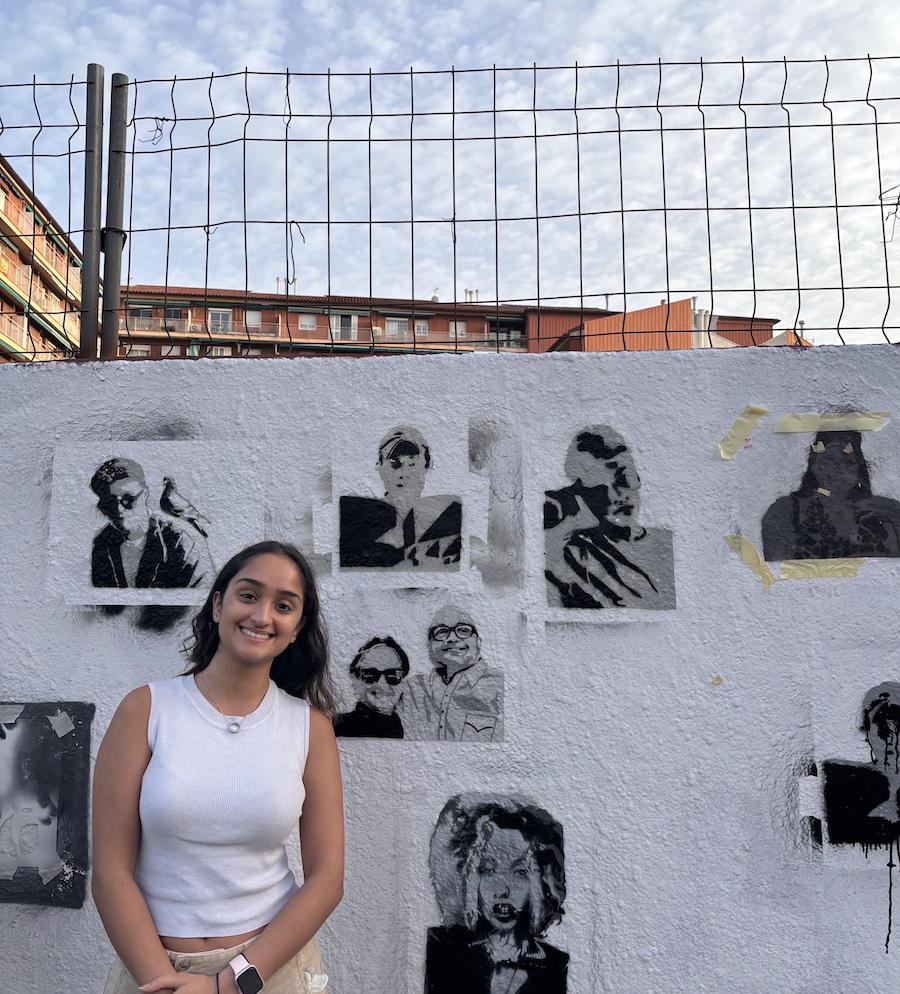
I studied the evolution of art across Western Europe — from its inception in caves to Romanesque cathedrals to Renaissance masterpieces to political street art. One of my favorite classes focused on graffiti and public art, something I tended to ignore while walking in public. But, through the course, I learned about its inception and history, and learned to analyze it. I even spray-painted the legal walls of Barcelona and designed my own sticker project, combining my love for art and science. Traveling across Europe, I also had the unique opportunity to witness firsthand the cultural shifts in art and architecture I was learning about in my art history classes.
In the spring, I returned to New York to explore contemporary and modern art. The contrast with Europe was striking: more experimental, less rule-bound, and deeply rooted in social commentary. I spent time in artists’ studios, visited dozens of galleries, and created five of my own art projects inspired by everything I had absorbed. I even learned about archival textile research and sonic art installations — media I had never worked with before. Despite growing up near New York, I had never explored it this deeply, moving from borough to borough with fresh eyes.
What surprised me most about this year was how much science I still saw in everything — the proportions used in portraits, the chemistry of pigments, the structured yet improvisational methods artists used in their creative processes. The year reminded me that medicine isn’t the only way to study the human experience — art can do that, too.
What I Learned (And What I’d Tell You)
If you’re a pre-med considering a gap year, know this: you don’t have to follow the most clinical or research-heavy path to be a strong applicant. In fact, choosing something that fuels your curiosity, especially something unconventional, can set you apart. I was always the one who stood out during interviews, and everyone loved asking me about what I was doing that year. It’s how I made sure I was remembered, as it added something unique to my application.
Taking a gap year gave me the perspective I didn’t know I was missing. It reminded me that being goal-driven is essential, but it’s not everything. During undergrad, I often skipped spontaneous plans or creative detours because they didn’t “serve” my med school goals. Looking back, I wish I had let myself slow down sooner.
Medical school will wait — and you’ll arrive fuller, more grounded, and with a deeper understanding of who you are.
 Sparsh Kumar